

I tried Toast - Local Restaurants with a simple question in mind: would it remain useful after the first convenient order, or would it become another food app I opened once and forgot? My answer is fairly positive. It is a free Food & Drink app from Toast, Inc. built around ordering ahead at participating local restaurants, and its value comes from reducing a small but repeated annoyance: waiting to decide, order, and pay when I am already hungry.
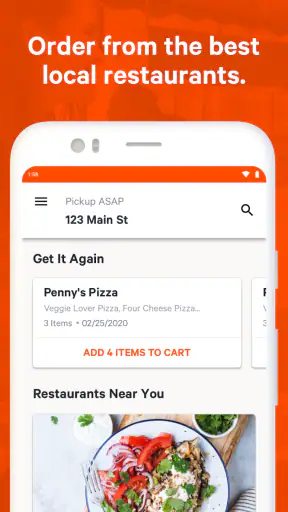
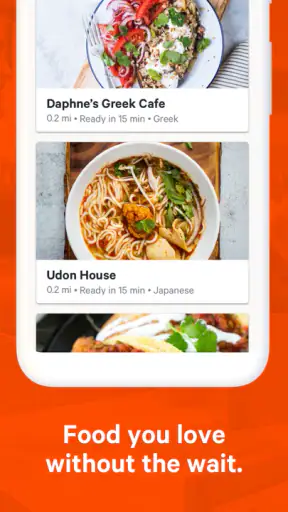
The first impression is easy to understand. Instead of treating restaurant ordering as a long search session, the app gives me a direct route to places that use Toast for their ordering flow. That makes it especially practical when I already know where I want to eat. I can look through the available menu, make choices before arriving, and avoid handling the entire transaction at the counter. It is less about discovering every restaurant in town and more about making a familiar local order less awkward.
From first-week convenience to a lasting routine
Why the first few orders feel useful
During my first week, the strongest benefit was timing. Ordering ahead changes the shape of a quick meal. I can make the decision while leaving work, walking across town, or waiting for a bus, rather than standing in a queue with people behind me. That sounds minor, but it matters when the restaurant is busy and I already know what I want.
A realistic example is a weekday lunch. I might have only a short break, and spending several minutes reading a menu at the register makes the whole meal feel rushed. With Toast, I can review the restaurant’s available choices earlier, submit the order, and arrive closer to the point when it is ready. The app does not make lunch instant, but it moves the decision out of the most inconvenient part of the experience.
I also found the format more comfortable for complicated orders. When I am ordering for myself and another person, it is easier to pause and check selections on a phone than to remember everything while speaking across a counter. This is one of the less obvious strengths: the app turns a social, hurried task into a quiet preparation task. That can reduce mistakes, particularly when two people want different modifications or side items.
Its appeal is not limited to office lunches. It can suit someone picking up dinner on the way home, a parent trying to place an order before collecting children, or a regular customer who visits the same neighborhood restaurant often. The important condition is that the restaurant must be available through Toast and that ordering ahead fits the way that location operates.
What the app is actually best at
I would describe Toast as a restaurant-specific ordering tool rather than a universal dining guide. If I am hungry but have no idea where to eat, a broad discovery service may be more helpful because it can expose me to a wider range of venues and compare them in one place. Toast becomes more convincing after I have chosen a restaurant, especially when I want to inspect its menu and place an order without calling.
That distinction prevents disappointment. Someone expecting a large citywide marketplace may find the experience narrower than expected. Someone who regularly visits Toast-enabled local restaurants may see the opposite: less clutter and a shorter path from “I want food” to “my order is being prepared.” In my experience, that focused purpose is what makes the app feel useful rather than overloaded.
The app is free, carries an Everyone content rating, and supports devices running Android 8.0 or later. Those details make it accessible to a broad range of phone users, although practical availability still depends on the restaurants in a person’s area. I would check whether my usual places appear before deciding to make it part of my regular routine.
The details that matter during ordering
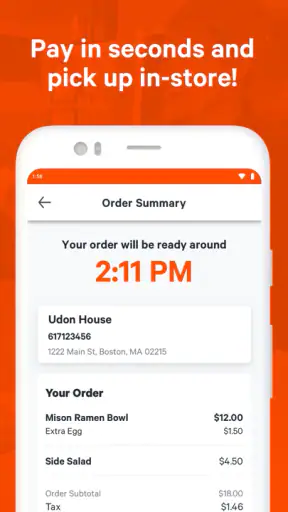
The most valuable habit I developed was checking the order carefully before submitting it, even when I was buying something familiar. Ordering ahead creates a sense of completion, but that can make it easy to move too quickly. I review the chosen items, quantities, and any available options while I still have time to correct them. This is more useful than rushing through the final screen and discovering an error after arriving.
I also use the app differently depending on how fixed my plans are. If I am already on the way to the restaurant, ordering too early can be inconvenient if my arrival time changes. If I am leaving work at a predictable time, placing the order during the last part of the workday is more sensible. The trade-off is straightforward: earlier ordering can save waiting, but it gives me less flexibility if plans shift.
For group meals, I prefer agreeing on the order before opening the app. Toast can make the final entry easier, but it does not remove the human problem of deciding what everyone wants. A useful workflow is to collect the choices first, then place one careful order instead of repeatedly editing it while people change their minds. That saves time and reduces the chance of forgetting a drink, side, or special request.
Does it keep earning space after the novelty fades?
After the initial convenience wears off, the app’s recurring value depends on repetition. I would not open it every day simply because it is installed. I would keep it because the restaurants I actually use are available and because ordering ahead solves a recurring problem in my schedule. That is a healthier reason to retain a food app than novelty or constant browsing.
For a regular customer, the benefit compounds in small ways. The app becomes the place I check when I know I want food from a particular local restaurant, especially during peak periods. I spend less time searching for a phone number, less time waiting to speak to someone, and less time deciding at the counter. None of those savings is dramatic on its own, but repeated weekly use can make them noticeable.
For an occasional diner, the case is weaker. If I only visit participating restaurants once every few months, the app may not earn permanent attention on my home screen. I can still install it when needed, but its long-term role would be limited. This is an important distinction: Toast rewards a pattern of use, not just a single successful order.
The public response suggests that many people find the basic idea worthwhile. The app has an average rating of 4.8 from around 37 thousand ratings, with roughly 5.4 thousand written reviews and over 1 million installs. I see those figures as evidence of strong adoption, not a guarantee that every restaurant or order will feel equally smooth. Restaurant workflows vary, and a good app cannot fully control what happens once an order reaches a busy kitchen.
Where the maintenance burden appears
Toast is not a high-maintenance app in the usual sense. I do not need to spend time customizing it to understand its purpose. The maintenance is behavioral: I need to keep track of which restaurants are available, remember to check the order before confirming, and avoid placing an order so early that my plans become inconvenient.
That burden is easy to overlook because “order ahead” sounds completely automatic. In practice, I still need to judge the restaurant’s timing. A busy location may need more preparation time than I expect, while a quiet period may make ordering ahead unnecessary. I treat the app as a planning aid, not as a promise that food will always be ready the moment I arrive.
Another useful routine is confirming the pickup details mentally before leaving. I make sure I am going to the intended restaurant and that the order fits my schedule. This sounds obvious, but advance ordering separates payment and pickup in a way that can make a rushed mistake more annoying. The app reduces friction when I use it deliberately; it does not eliminate the need for attention.
Device compatibility is also part of the long-term calculation. The current version is 3.10.0-production, and the app supports Android 8.0 and newer. For most current Android users, that should not be a difficult requirement, but anyone using an older phone should check compatibility before relying on it for an important meal. The app is also available as a mobile restaurant-ordering experience rather than a replacement for every way of contacting a restaurant.
The sources of fatigue
The biggest source of fatigue is limited usefulness when I am outside the Toast restaurant network. If my favorite place does not use it, the app cannot help me there. I may still need the restaurant’s own service, a phone call, or another ordering marketplace. This makes Toast feel excellent in some parts of my routine and irrelevant in others.
There is also a discovery trade-off. A broad food marketplace often encourages browsing, comparisons, and trying unfamiliar places. Toast’s focused approach can be faster when I know my destination, but it may not be the best companion for spontaneous exploration. I would not choose it as my only food app if discovering new restaurants were my main goal.
Ordering ahead can create its own kind of pressure. Once I have submitted an order, I feel committed to the timing I selected or expected. If a meeting runs late, traffic changes, or someone in the group changes their mind, the convenience becomes less convenient. My workaround is simple: I place orders when my arrival is reasonably predictable and avoid using advance ordering for plans that are still uncertain.
Another limitation is that the app cannot make every restaurant experience identical. Menu organization, preparation speed, and the accuracy of available choices are connected to the individual restaurant’s setup. If a menu is unclear or an option is not presented the way I expect, I may still need to ask the restaurant directly. That is not necessarily a failure of Toast, but it is a reason not to assume that digital ordering removes every question.
People who prefer speaking with staff may also find less value here. A phone call can be better when an order has unusual requirements, when I need advice about an item, or when the restaurant’s digital menu does not explain something clearly. Toast is strongest for repeatable, ordinary orders. It is less compelling when the meal requires a conversation.
How it compares with familiar alternatives
Compared with ordering at the counter, Toast gives me more time to think and can reduce queue-related waiting. The counter still wins when I am already inside, want to ask a question, or have not decided what to eat. In that situation, the app adds a step rather than removing one.
Compared with calling the restaurant, the app is quieter and easier for checking a menu at my own pace. Calling may be better for special requests or when I need immediate clarification. I see these methods as complementary rather than competing in every situation: Toast handles standard orders well, while a conversation remains more flexible.
Compared with a large delivery marketplace, Toast is more aligned with ordering ahead from a local restaurant for pickup. A delivery-focused service may be more useful when I cannot travel, want to compare many restaurants, or need delivery tracking and broader discovery. Toast’s narrower focus can also feel cleaner because I am not weighing a long list of unrelated choices when I already know where I want to eat.
That comparison explains who should skip it. I would skip Toast as a primary choice if I mostly order delivery, constantly search for new restaurants, or rarely visit places that use Toast. I would also avoid depending on it for highly customized orders unless the menu expresses those needs clearly. On the other hand, frequent local pickup customers have a practical reason to keep it installed.
Who will get the most from it
I recommend it most to people with predictable food routines. Office workers who buy lunch from the same neighborhood, commuters collecting dinner, and regular café or restaurant customers are the natural audience. The app is also useful for anyone who dislikes making decisions while standing in line and prefers to review an order privately.
It can help families and small groups, but only if one person is comfortable coordinating the final order. The app simplifies entry; it does not solve disagreements or guarantee that everyone will be ready at the same time. I find it most successful when the group has already settled on a restaurant and the person ordering knows exactly what needs to be included.
It is less suitable for diners who treat every meal as an exploration project. If I want recommendations, detailed comparisons, or a broad view of nearby options, I would start elsewhere and use Toast only if the chosen restaurant supports it. That is not a criticism of its purpose; it is simply a reminder that focused tools are not always the best general-purpose tools.
My long-term verdict
After the novelty fades, Toast - Local Restaurants earns its place through habit rather than excitement. I would keep it installed if several restaurants I visit regularly offer ordering through it, because the repeated savings in waiting and decision-making are real. I would not keep opening it out of curiosity, and I would not treat it as a complete replacement for delivery services, restaurant websites, or phone calls.
Toast, Inc. has made a focused Food & Drink app that understands a specific moment: I already know where I want to eat, but I would rather not handle the order at the busiest point of the visit. That focus is its strength and its boundary. The app is free, rated for Everyone, and its strong user response makes it easy to try without much commitment, but the lasting decision should be based on local restaurant coverage and my own eating routine.
My practical advice is to test it with one familiar restaurant during a busy but predictable meal. Check the menu carefully, place the order at a sensible time, and see whether the pickup actually improves the experience. If it becomes part of a weekly pattern, it has earned a permanent spot. If I use it only once and return to other services for discovery, delivery, or special requests, uninstalling it would be perfectly reasonable.
My final recommendation: Toast is worth keeping for regular pickup customers who value preparation and shorter queues, but it is not a universal restaurant solution. Its lasting value comes from dependable repetition, not from trying to replace every other way of finding, ordering, and enjoying food.


